Together, we solve the challenges of tomorrow.
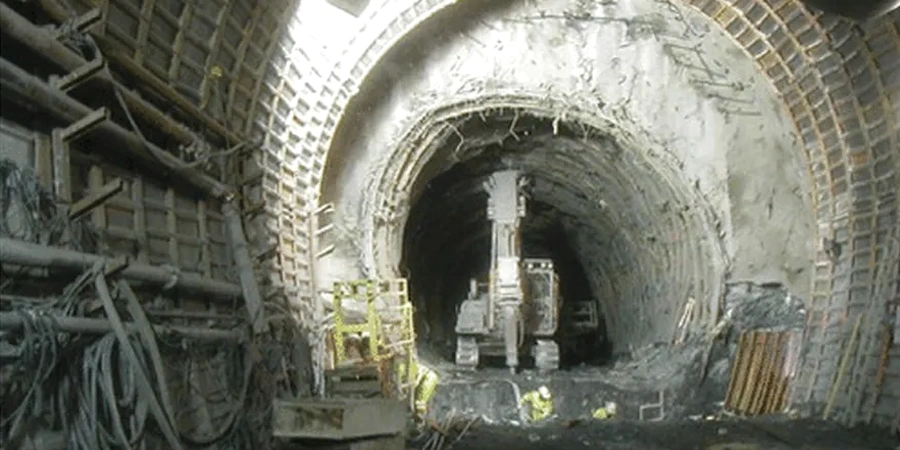
LEARN MORE →Underground excavations in Corpus Christi encompass a specialized branch of geotechnical engineering focused on the design, construction, and support of subterranean openings within the region's challenging geological formations. This category covers everything from shallow utility trenches and deep building basements to complex tunneling projects for water conveyance and transportation. The critical importance of these services stems from the city's rapid coastal development, where space constraints and environmental regulations increasingly push infrastructure below ground. Properly executed underground excavations ensure structural stability, protect adjacent properties, and safeguard workers in an environment where the consequences of failure can be catastrophic.
Corpus Christi's subsurface conditions present a unique set of challenges that directly influence excavation methodologies. The city is underlain by the Beaumont Formation, characterized by Pleistocene-age clays and silts that exhibit moderate to high plasticity. These soils are often saturated due to the shallow water table, which can be found within a few feet of the surface in many areas near the bay. This combination creates significant potential for ground instability, running sands, and base heave. Consequently, rigorous geotechnical analysis for soft soil tunnels is not just a preliminary step but a continuous necessity throughout any project lifecycle to anticipate and mitigate these inherent risks.
The regulatory framework governing underground work in Corpus Christi is stringent, reflecting both national standards and local conditions. All excavations must comply with the Occupational Safety and Health Administration (OSHA) 29 CFR Part 1926, Subpart P, which mandates protective systems for any trench deeper than five feet. The City of Corpus Christi also enforces its own building codes and right-of-way ordinances, which typically require detailed geotechnical reports and construction method statements before issuing permits. For projects involving dewatering, which is nearly unavoidable here, compliance with the Texas Commission on Environmental Quality (TCEQ) regulations for groundwater discharge is mandatory. These overlapping regulations make professional geotechnical oversight not just advisable but legally required.
The types of projects that demand these specialized services are diverse and critical to the region's infrastructure. The city's ongoing efforts to upgrade its stormwater drainage system require extensive deep trenching and microtunneling to alleviate flooding in low-lying neighborhoods. The petrochemical and energy sector, a cornerstone of the local economy, frequently needs geotechnical design of deep excavations for underground process vaults, pipeline corridors, and storage caverns. Furthermore, commercial development in the downtown and uptown areas often necessitates deep basements and parking structures, where the stability of the excavation walls is paramount to protect adjacent high-value properties. Each of these project types relies heavily on continuous geotechnical excavation monitoring to validate design assumptions and provide early warning of ground movements.
The main risks stem from the shallow groundwater table and the soft, plastic clays of the Beaumont Formation. These conditions frequently lead to basal heave in deep cuts, running or flowing ground in trenches, and significant settlement of adjacent structures due to dewatering. Managing these requires specialized ground treatment, robust support systems, and rigorous dewatering plans to prevent instability and collapse.
OSHA standard 29 CFR Part 1926, Subpart P is the primary federal regulation governing excavation safety. It requires a competent person to classify soil types, design protective systems like sloping, benching, or shoring, and conduct daily inspections. In Corpus Christi's Type C soft soils, the standard mandates maximum sloping angles or the use of engineered trench boxes to protect workers from cave-ins.
Dewatering is critical because the groundwater table in Corpus Christi is often very shallow, especially near the bay. Uncontrolled water inflow destabilizes excavation walls, causes piping and erosion, and creates unsafe working conditions. A well-designed dewatering system, often requiring TCEQ discharge permits, is essential to lower the water table, maintain soil strength, and ensure a dry, stable excavation base.
Geotechnical instrumentation provides real-time data to verify design assumptions and ensure safety. Instruments like inclinometers monitor wall deflection, piezometers track pore water pressure changes during dewatering, and settlement points measure ground loss. This continuous monitoring allows the project team to detect potentially hazardous trends early and implement corrective actions before a failure occurs.
We serve projects across Corpus Christi and surrounding areas.